
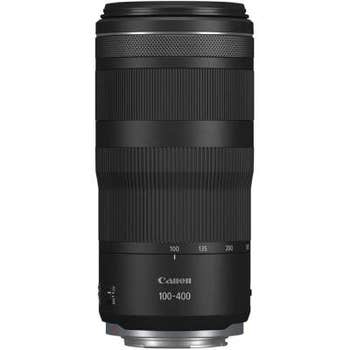
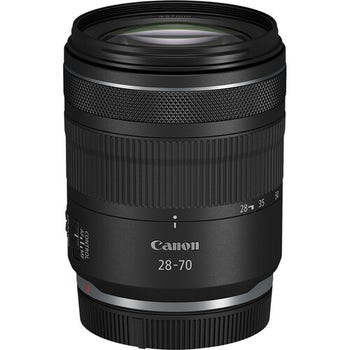
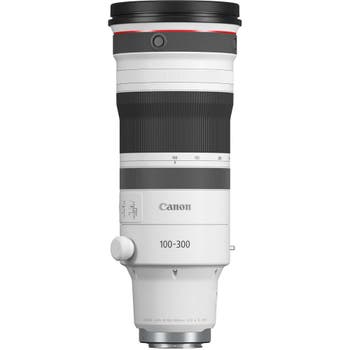
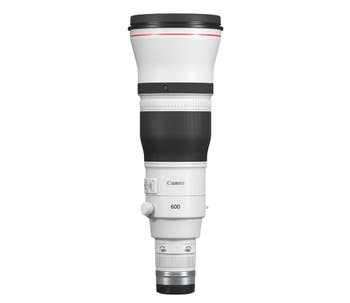
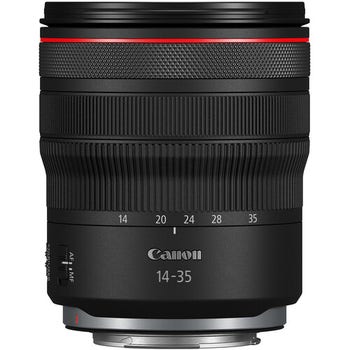
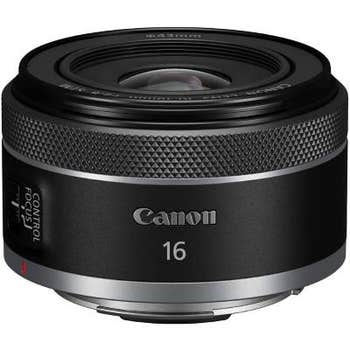
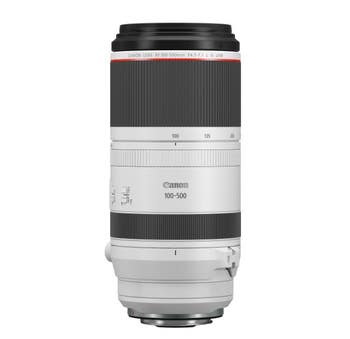
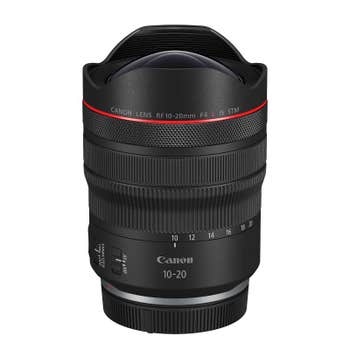
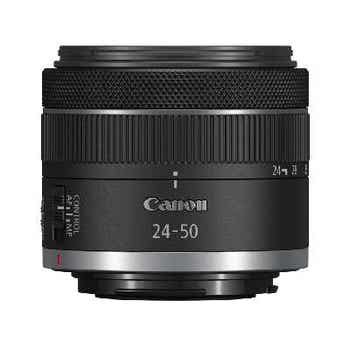
Canon RF Mount Lens

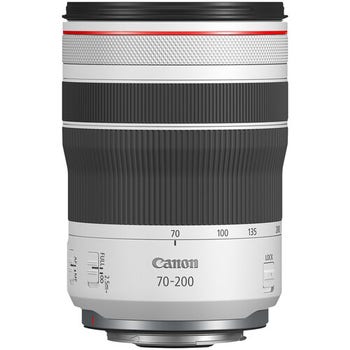
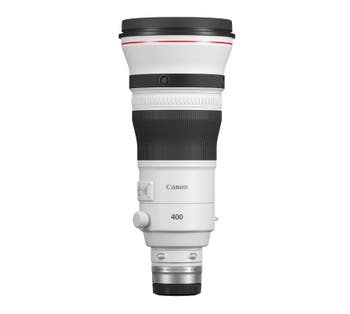
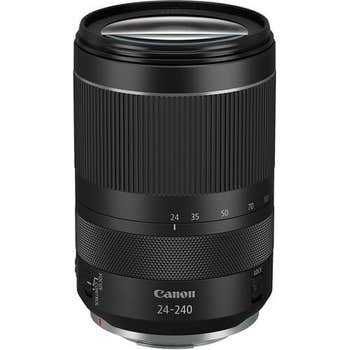
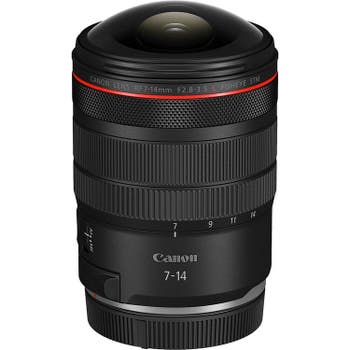
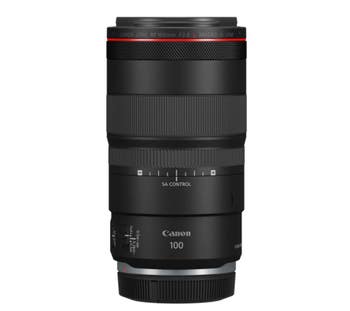
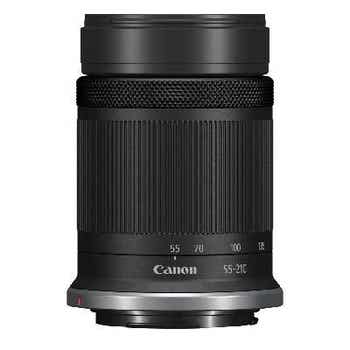
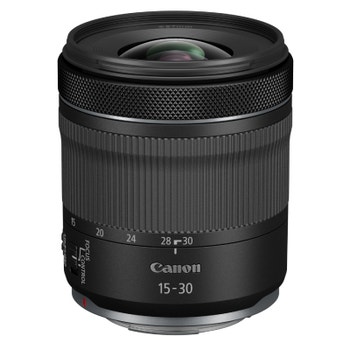
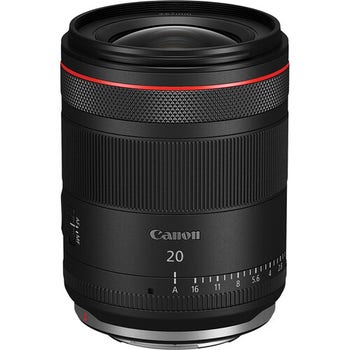
Engineered for Canon EOS R series mirrorless cameras, Canon RF lenses deliver outstanding speed, sharpness and operability. The shorter flange distance of EOS R cameras made it possible for Canon to innovate numerous features for Canon RF lenses, from an unusually large maximum aperture in certain models to more compact lens sizes. Each RF lens features a Control Ring offering simple, accessible control over settings such as aperture, ISO and shutter speed. Depending on the lens model, other benefits include image stabilisation, a Nano USM (Ultrasonic Motor) for fast and smooth focus adjustment, and a built-in Digital Lens Optimiser preserving sharpness throughout the aperture range. Also see our stock of Canon lens converters and adapters, accessories, and filters.

View as Grid List

Items 1-24 of 56

Set Descending Direction
Page
per page
Frequently Asked Questions
Which Canon lens should I buy first?

A versatile standard zoom or an affordable prime lens is a great place to start. Many photographers choose the Canon EF 50mm f/1.8 STM Prime Lens or the Canon RF 28-70mm f/2.8 IS STM Lens as their first lens.

What is the difference between Canon RF and EF lenses?

RF lenses are made for Canon EOS R mirrorless cameras, while EF lenses are designed for Canon DSLR cameras. RF lenses use newer optical designs and offer faster communication with mirrorless cameras.

Can I use Canon EF lenses on EOS R cameras?

Yes. Canon EF and many EF-S lenses can be used on EOS R cameras with an official Canon mount adapter while keeping autofocus and image quality.

Which Canon lens is best for wildlife photography?

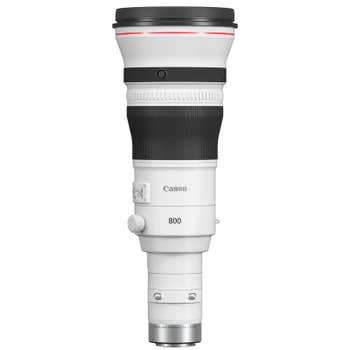
Wildlife photographers usually need long focal lengths and fast autofocus. The Canon RF 100-400mm f/5.6-8 IS USM Lens is a popular all-round choice, while the Canon RF 800mm f/5.6 L IS USM Lens is ideal for professional wildlife photography.

Which Canon lens is best for portrait photography?

Portrait photographers often choose fast prime lenses or constant-aperture zooms with wide maximum apertures to create natural background blur and clear subject separation.