







Shop DSLR Lenses in Australia from Canon, Nikon & Other Leading Brands
Looking to buy DSLR lenses in Australia?
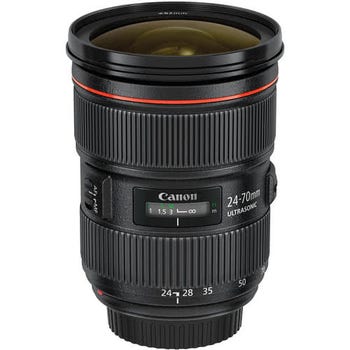
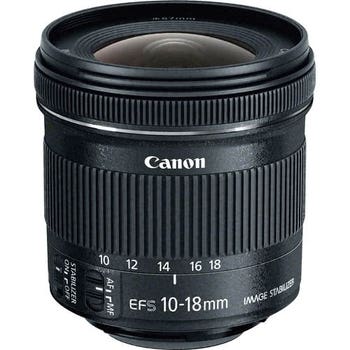
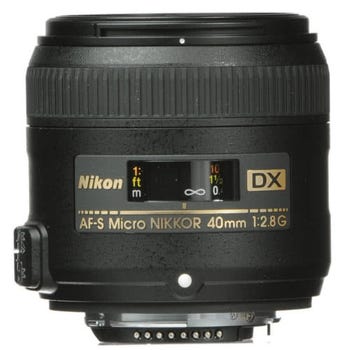
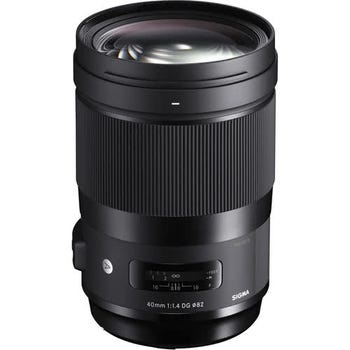
Whether you're upgrading your kit lens or expanding your photography setup, we offer a wide range of lenses for DSLR cameras from Canon, Nikon, Sigma, Tamron, Tokina and Samyang. Our selection includes everything from versatile zoom lenses to specialist macro and super telephoto lenses, all backed by genuine Australian stock, full manufacturer warranties and expert advice.
The right DSLR camera lens can greatly improve your image quality, helping you capture sharper portraits, detailed landscapes, fast-moving wildlife and stunning close-up shots. Whether you're looking for the best DSLR lens for beginners or a professional telephoto lens for sport and bird photography, we're here to help you choose with confidence.
What Are DSLR Lenses?
DSLR lenses are interchangeable lenses designed for Digital Single-Lens Reflex (DSLR) cameras, allowing you to switch lenses for different subjects and photography styles. The right lens can improve photos more than upgrading your camera body, affecting sharpness, optical quality, focal length, aperture, depth of field, and overall image quality. From a DSLR wide-angle lens for landscapes to a DSLR telephoto lens for wildlife, the right interchangeable lens helps you get the best performance from your camera.
Why Upgrade Your DSLR Lens?
Upgrading your DSLR lens gives you more creative options and improves your overall photography experience.
Here are the Benefits:
-
Better image quality and edge-to-edge sharpness.
-
Faster apertures for better low-light photography.
-
Faster and more accurate autofocus.
-
More background blur (bokeh) for portraits.
-
Better image stabilisation on compatible lenses.
-
Greater control over perspective and composition.
A quality DSLR lens is a long-term investment that can continue to deliver excellent results, even when you upgrade your camera body.
Types of DSLR Lenses
-
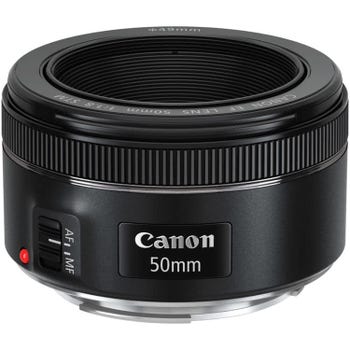
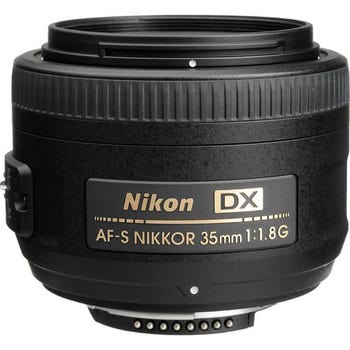
Prime Lenses: A DSLR prime lens has a fixed focal length, excellent sharpness, and a wide aperture. Ideal for portrait photography and low light photography, the Canon EF 50mm f/1.8 STM Prime Lens is a great beginner option with a lightweight design and impressive image quality.
-
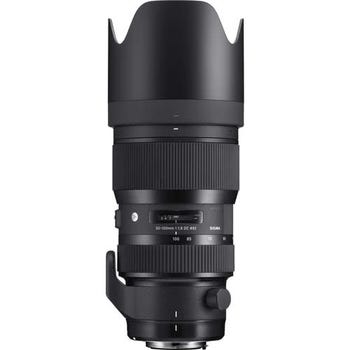
Zoom Lenses: A DSLR zoom lens offers multiple focal lengths in one lens, making it ideal for travel, events and everyday photography. The Sigma 24-70mm f/2.8 DG OS HSM Art Lens delivers versatility, fast performance and excellent optical quality.
-
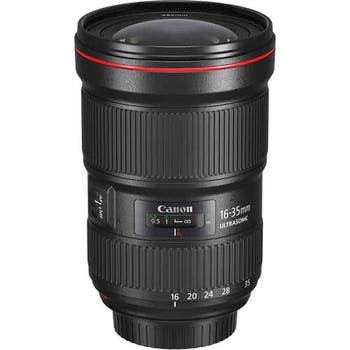
Wide Angle Lenses: A DSLR wide angle lens captures more of a scene, making it perfect for landscape photography, architecture, interiors and travel. It provides a wider field of view and creative perspective.
-
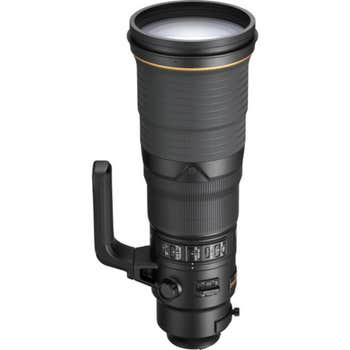
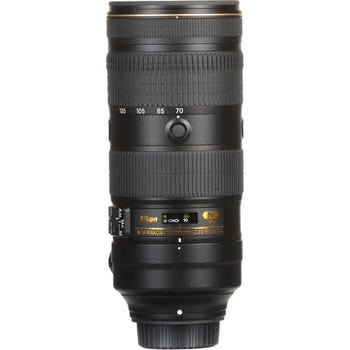
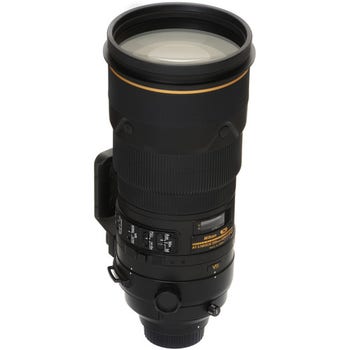
Telephoto Lenses: A DSLR telephoto lens brings distant subjects closer, making it ideal for wildlife, bird, sports and outdoor photography. Lenses like the Nikon Nikkor AF-S 800mm f/5.6G ED VR Lens and Nikon AF-S NIKKOR 600mm f/4 FL ED VR Lens offer excellent reach, autofocus and sharpness.
-
Macro Lenses: A DSLR macro lens is designed for close-up photography, capturing detailed images of flowers, insects, products and natural textures with life-size magnification.
How to Choose the Right DSLR Lens
Consider these while choosing a DSLR lens:
-
Your photography style, whether portraits, wildlife, landscapes, sport or travel
-
Camera sensor size, including APS-C and Full Frame
-
Lens compatibility and lens mount
-
Maximum aperture for low-light performance
-
Autofocus speed and accuracy
-
Image stabilisation for handheld shooting
-
Lens weight and portability
-
Weather sealing for outdoor use
-
Your available budget
Lens Compatibility Guide
-
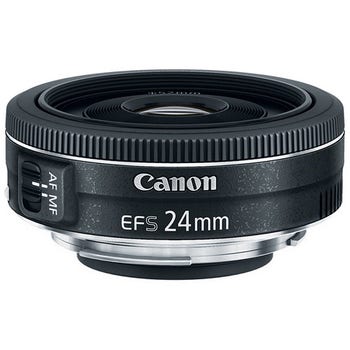
Canon DSLR Cameras: Our Canon DSLR lens guide includes lenses with Canon EF and Canon EF-S mounts. Canon EF lenses work with both Full Frame and APS-C DSLR cameras, while Canon EF-S lenses are made specifically for APS-C DSLR cameras.
-
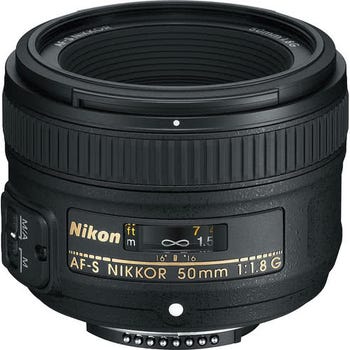
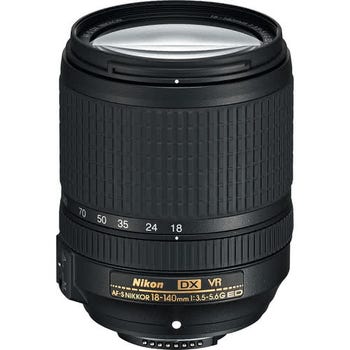
Nikon DSLR Cameras: Our Nikon DSLR lens guide covers lenses designed for the Nikon F Mount. Before you buy, always check that the lens is compatible with your DSLR camera, as autofocus and other features can vary between different models.
-
Third-Party DSLR Lenses: Sigma, Tamron, Tokina and Samyang make high-quality DSLR lenses for Canon and Nikon systems. These brands offer excellent value, strong optical quality and reliable compatibility, making them a popular alternative to manufacturer-branded lenses.
Best DSLR Lenses for Different Photography Styles
The right DSLR lens depends on the type of photography you enjoy most.
-
Portrait Photography: Fast prime lenses with wide apertures create flattering portraits and beautiful bokeh.
-
Wildlife Photography: Long telephoto lenses provide the reach needed to photograph distant animals.
-
Bird Photography: Super telephoto lenses offer excellent magnification and fast autofocus for capturing birds.
-
Sports Photography: Telephoto zoom lenses and fast prime lenses help freeze fast-moving action.
-
Landscape Photography: Wide-angle lenses capture large scenes with impressive detail.
-
Travel Photography: Standard zoom lenses offer the flexibility to shoot different subjects without changing lenses.
-
Macro Photography: Dedicated macro lenses capture fine details in flowers, insects, and products.
-
Wedding Photography: Bright zoom and prime lenses perform well in changing lighting conditions.
-
Street Photography: Compact prime lenses are easy to carry and deliver excellent image quality.
DSLR Lens Care & Maintenance
Taking care of your DSLR lens helps maintain image quality and extend its lifespan. Regular cleaning and proper storage also protect your investment, especially if you often shoot outdoors.
For the best results:
-
Clean the front and rear lens elements with a blower before using a microfibre cloth.
-
Avoid touching the glass with your fingers to prevent smudges.
-
Keep the lens caps on when the lens is not in use.
-
Use a quality UV filter to help protect the front lens element from scratches and dust.
-
Store your lenses in a clean, dry camera bag to reduce exposure to dust, moisture and humidity.
-
Use dedicated cleaning kits and silica gel packs when storing your equipment for long periods to help prevent fungus.
We also offer a wide range of Lens Filters, Lens Accessories, Cleaning Kits and Camera Bags to help protect your gear wherever you shoot.
Why Buy DSLR Lenses from CameraPro?
When you buy DSLR lenses from us, you get genuine Australian stock, expert advice and competitive prices from an Australian authorised dealer.
Why shop with us?
-
Genuine Australian stock with full manufacturer warranties.
-
Expert advice from experienced photographers.
-
Canon DSLR lenses, Nikon DSLR lenses and trusted third-party brands.
-
Competitive pricing.
-
Fast Australia-wide shipping.
You can also explore our full range of Camera Lenses, Mirrorless Lenses, Canon Cameras, Nikon Cameras, Tripods and Memory Cards to build a photography kit that suits your needs.
A prime lens has a fixed focal length and is known for excellent sharpness, wide apertures and beautiful bokeh. A zoom lens offers multiple focal lengths in one lens, making it a versatile option for travel, events and everyday photography.
A standard zoom lens or an affordable prime lens is a great choice for beginners. The Canon EF 50mm f/1.8 STM Prime Lens is a popular option for learning portrait, street and low-light photography.
Yes. Most full-frame DSLR lenses can be used on APS-C DSLR cameras if they have the same lens mount. The field of view will be narrower because of the camera's crop factor.
Check your camera's lens mount before buying. Canon DSLR cameras usually use Canon EF or Canon EF-S lenses, while Nikon DSLR cameras use the Nikon F Mount. Always check that the lens is compatible with your specific camera model.
Yes. Brands like Sigma, Tamron, Tokina and Samyang make high-quality DSLR lenses that offer excellent optical performance, reliable compatibility and great value.